















Humans hundreds of times deadlier than sharks, says scientists after startling research
text_fields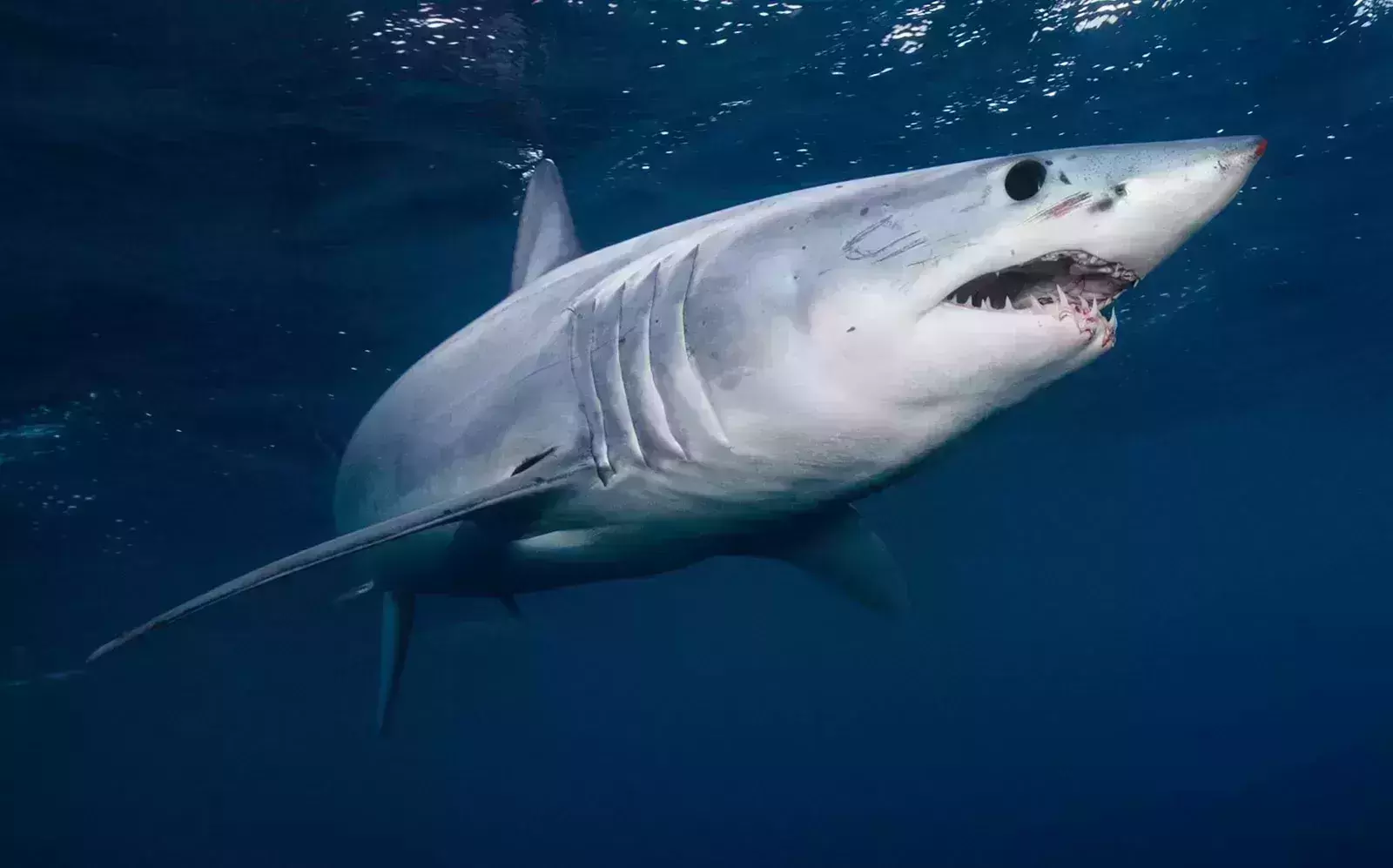

London: Human impact on wildlife suggests that humans are hundreds of times deadlier than sharks. The marine creature is considered to be violent and a skilled predator.
Scientists from the UK Center for Ecology and Hydrology in Wallingford, Oxfordshire, have recently published research in the journal Communications Biology which highlights the reality of human impact on wildlife. Contrary to popular belief, humans have been identified as being hundreds of times deadlier than even the formidable great white shark. This revelation underscores the dire consequences of human activities, with nearly half of all wild animal species now facing extinction due to human use for food, medicine, and the pet trade.
The study, which analysed data on almost 50,000 different wild mammals, birds, reptiles, amphibians, and fish harvested by humans, unveiled troubling statistics. It was found that approximately one-third of all vertebrate species, amounting to 14,663 species, are either used or traded by humans. Even more alarming, 39% of these species are currently on the path to extinction.
Dr. Rob Cooke of the UK Center for Ecology and Hydrology expressed his astonishment at the study's findings, stating, "The size and scale of what we found surprised us. Humans have a breathtaking diversity of uses of animals, but we need to move towards sustainable human-nature relationships across the globe." This quantification of human dominance over wildlife represents a significant turning point in understanding our impact on the natural world.
Accompanying the research, a report by the BBC highlighted the imminent arrival of the Anthropocene era, characterised by human activity's overwhelming influence on climate and the environment. It is undeniable that humans have become the dominant force shaping the natural world. In fact, domesticated animals now constitute the majority of animal species on land, further shaping the intricate fabric of the ecosystem.
The implications of continued overexploitation of wild animals are dire, as emphasised by the researchers. The unrelenting use of approximately one-third of wild animals for various purposes has far-reaching consequences for biodiversity and ecosystem functioning. Urgent action is needed to transition towards sustainable practices and foster harmonious relationships between humans and nature.