













UN nuclear watchdog urges swift implementation of new deal with Iran
text_fields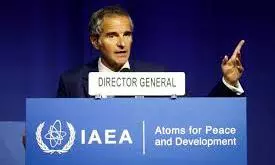

The head of the UN nuclear watchdog has called for the implementation of a new cooperation framework with Iran, describing it as crucial to “restore confidence” after inspections were suspended.
The agreement was reached last week between Iran and the International Atomic Energy Agency (IAEA) in Cairo, following Iran’s halt of cooperation due to its war with Israel in June.
During the 12-day conflict, Israeli and US strikes targeted key Iranian nuclear facilities, preventing IAEA inspectors from accessing the sites since then.
Speaking on the opening day of the agency’s General Conference, IAEA chief Rafael Grossi emphasized that implementing the deal is crucial to “restore confidence” and enable the agency to “continue our work despite all these difficulties.” He added that it is now up to both Iran and the agency to carry out the agreement, which outlines the technical measures and practical steps needed to resume the essential work in Iran.
Under the new framework, Tehran has stipulated that UN inspectors can only visit nuclear sites after approval by its Supreme National Security Council, the country’s top security authority.
In his address to the conference, Iran’s atomic energy organisation chief, Mohamed Eslami, stated that after the attacks on its nuclear facilities, Iran would continue cooperating with the agency through new arrangements once its security concerns and those of its nuclear sites are addressed.
He further explained that the current safeguards agreement does not include provisions on how to maintain engagement amid the critical situations arising from aggression and ongoing threats against nuclear sites and facilities.
Despite these conditions, Eslami added that Iran “remains a state party” to the Non-Proliferation Treaty (NPT), even after passing legislation that halted its cooperation with the IAEA.
The expansion of Iran’s nuclear programme has raised repeated concerns among Western powers. Tehran accelerated its nuclear activities after the United States withdrew from the 2015 agreement aimed at limiting its nuclear development. Iran has long been accused of pursuing nuclear weapons, a claim it has consistently denied.
The success of the new cooperation framework is seen as a critical step to resuming inspections and preventing further escalation in the region.