















Netanyahu, belligerent hardliners oppose truce terms, including ceasefire
text_fields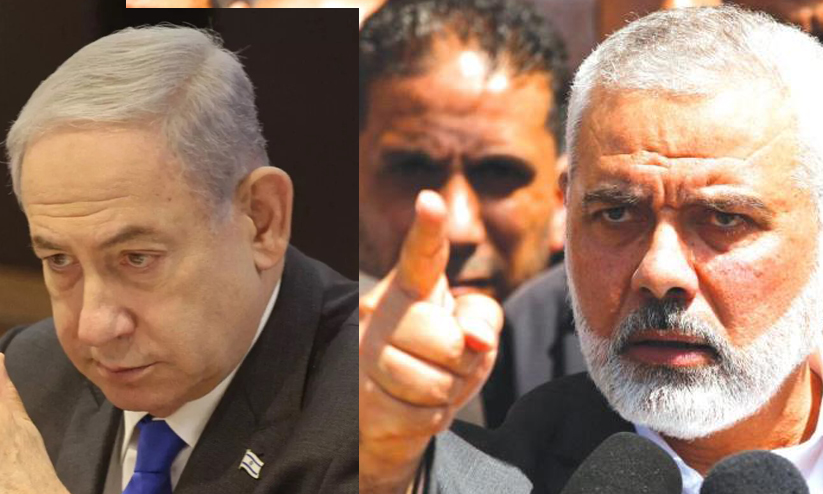

Amid the increasing death toll in the Israeli military actions in Gaza and the deeply concerning humanitarian situation that has resulted, Hamas is reported to be considering the three-phase truce proposal discussed in Paris.
However, right-wing hardliners of the Israeli government, led by Prime Minister Benjamin Netanyahu, have threatened to withdraw their support from the government if any proposal that goes against their interests is agreed upon.
The proposal, discussed in Paris over the weekend and now under review by Hamas leadership, outlines steps to cease hostilities, release hostages, and address humanitarian crises in the region.
Hamas leader Ismail Haniyeh confirmed the group's openness to discussing serious initiatives leading to a comprehensive cessation of aggression. The proposal entails three phases, including a pause in fighting, the release of hostages, and the gradual restoration of essential services to Gaza.
However, hard-line members of the Israeli government have voiced opposition to any deal not meeting their terms, threatening to collapse the coalition if concessions are made to Hamas. Israeli Prime Minister Benjamin Netanyahu staunchly opposes any ceasefire deal requiring the release of thousands of Palestinian prisoners or the withdrawal of Israeli troops from Gaza.
Netanyahu asserts that Israel will continue its military offensive in Gaza until "absolute victory" over Hamas is achieved, rejecting the notion of withdrawing troops or releasing significant numbers of prisoners. This stance reflects a divide within the Israeli government, with hardline coalition partners advocating for continued military action against Hamas.
Meanwhile, international efforts to broker a ceasefire have shown some progress. Qatar's Prime Minister Sheikh Mohammed bin Abdulrahman bin Jassim Al Thani described the framework discussed in Paris as a blend of proposals from both Israel and Hamas, aimed at finding common ground for a lasting ceasefire. He expressed optimism about moving towards a potential permanent ceasefire, signalling a shift from Hamas's previous demands.
The United States, Egypt, and Qatar have been instrumental in facilitating negotiations, with intelligence officials from these countries engaging in talks over the weekend to advance the ceasefire discussions. Despite challenges, there is hope for a ceasefire lasting at least a month, providing an opportunity for the release of most hostages.
However, obstacles remain as Hamas demands a comprehensive ceasefire and the withdrawal of Israeli forces from Gaza as preconditions for any agreement. Netanyahu's refusal to meet these terms complicates the negotiation process, risking the collapse of potential truce efforts.
As discussions continue, the fate of hostages and the possibility of a ceasefire hang in the balance. The international community closely watches developments, emphasizing the importance of finding a diplomatic solution to end the violence and alleviate the humanitarian crisis in Gaza.
Amid diplomatic efforts, the Israeli army intensified its operations, targeting Hamas's underground network of tunnels used for launching attacks on Israel. With over 1,300 tunnels identified at the start of the conflict, Israel aims to dismantle this infrastructure to prevent future attacks.