














Kerala to receive $125mn from World Bank to strengthen disaster preparedness
text_fields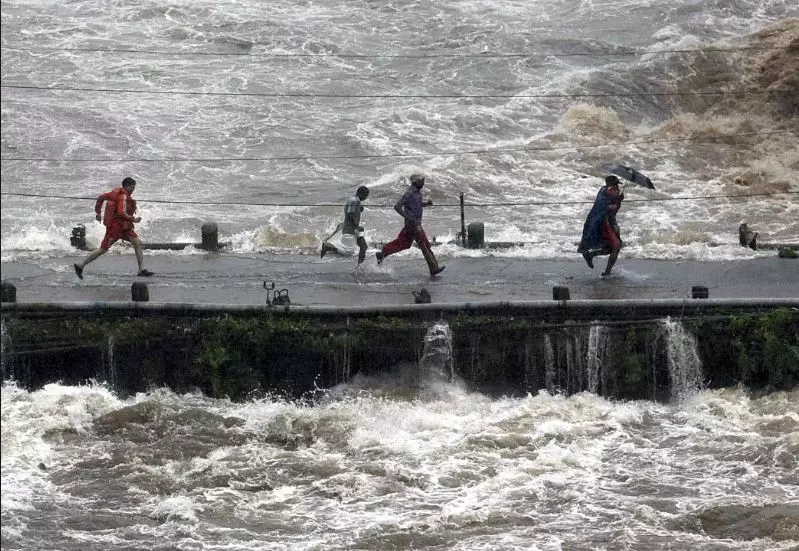

Thiruvananthapuram: The World Bank has strategically approved to provide Kerala $125 million as a preparedness fund to meet natural disaster, climate change impacts, disease outbreaks and pandemics.
The World Bank Board of Executive Directors signed for the Resilient Kerala Program that will include disaster risk planning in the master plans of urban and local self-governments to ease financial constraints on the state government when faced with unexpected shocks.
The fund also will help make health and water resources management, agriculture, and road sectors more resilient to calamities. The program is part of a programmatic series of World Bank-financed operations in the state. The 2018 flood was the worst Kerala had seen in nearly a century, causing massive devastation and landslides which impacted more than five million people, mainly in the Pamba River Basin.
The First Resilient Kerala Development Policy Operation (DPO) approved in June 2019 undertook several initiatives. It helped the state draft a River Basin Conservation and Management Act, which will conserve and regulate water resources and ensure their sustainable management, allocation, and utilisation.
It also introduced climate-resilient agriculture, risk-informed land use, and disaster management planning. The program laid the foundations for a five-year State Partnership Framework.
Junaid Ahmad, World Bank Country Director in India, said in today's context of increased economic, climatic, and health shocks, building the resilience of economies is a policy imperative.
"The Bank is therefore investing in Kerala's capabilities to respond to shocks to the state economy and, importantly, prevent as much as possible the loss of lives, assets, and livelihoods. The objective is not to finance schemes but to partner with the Government of Kerala to improve the state's financial health; invest in sectors like health, water resources, social protection and agriculture; and address the drivers of natural disasters, climate change, and pandemic risks," said Ahmad.
The program will be state-wide and in the Pamba River Basin. Kerala will test a multisectoral approach in Idukki, Kottayam, Pathanamthitta, and Alappuzha districts.
This area is a microcosm of the state, with tropical monsoon forests, dense urban settlements, and the rice bowl of Kerala in its lowlands. Its success will have a demonstration impact across the state, it said.
Among the other areas which will be covered include sustainable fiscal and debt management, disaster risk finance and social protection, disaster and climate-resilient urban development, resilient public health systems, integrated and sustainable water resources management, sustainable and resilient food systems and climate-resilient road infrastructure.