



















We will adhere to Shariat and Quran: Muslim leaders react to Assam’s repeal of Muslim Marriages Act
text_fields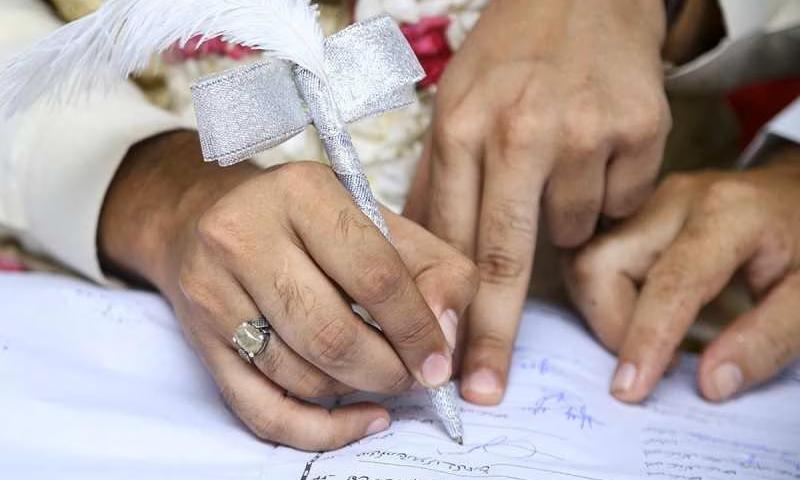

The Assam government's decision to repeal the Assam Muslim Marriages and Divorces Registration Act has sparked a flurry of reactions from political figures across the spectrum, setting the stage for heated debates.
Samajwadi Party MP ST Hasan stood firm, asserting that Muslims would adhere solely to the principles of the Shariat and Quran, regardless of government interventions through legislative acts.
Emphasizing the longstanding traditions and rituals within religious communities, Hasan downplayed the government's actions, suggesting that they would have little impact on established practices.
Congress leader Abdur Rashid Mandal criticized the move as discriminatory, alleging that it was a strategic manoeuvre by the ruling BJP to sway Hindu voters in their favour ahead of elections. Mandal lamented the failure to address broader issues such as the Uniform Civil Code (UCC) and polygamy, highlighting the perceived targeting of Muslim interests by the Assam government.
Echoing similar sentiments, AIUDF MLA Hafiz Rafiqul Islam condemned the government's decision, attributing it to political tactics aimed at Muslim communities in the run-up to elections. He accused the BJP of lacking the courage to implement a UCC in Assam, citing the diverse demographic landscape of the state as a hindrance to such legislative measures.
Meanwhile, Chief Minister Himanta Biswa Sarma defended the cabinet's move, framing it as a step towards modernization and aligning with constitutional norms.
Sarma emphasized the Act's controversial provisions allowing marriage registration below the legal age requirements, framing the repeal as a necessary measure to combat child marriages in Assam.
The repeal of the Act signifies a shift in authority, with district authorities set to take over registration records previously held by Muslim marriage registrars. This move aims to streamline the registration process and ensure compliance with legal norms, addressing concerns about informal registration practices.
The decision in Assam comes in the wake of similar developments in Uttarakhand, where the state government recently passed a UCC bill in the assembly. However, criticisms have arisen regarding the exclusion of tribals from the legislation, raising questions about inclusivity and equal application of laws across diverse communities.
Assam is poised to become the third state after Uttarakhand and Gujarat to implement a UCC, as announced by Chief Minister Sarma. With plans to introduce the bill within the next few months, the contentious debate surrounding religious laws, personal freedoms, and state intervention is likely to intensify, shaping the political landscape in Assam leading up to elections.