








Unmanned aerial vehicle strikes Israel-linked merchant ship off Indian coast
text_fields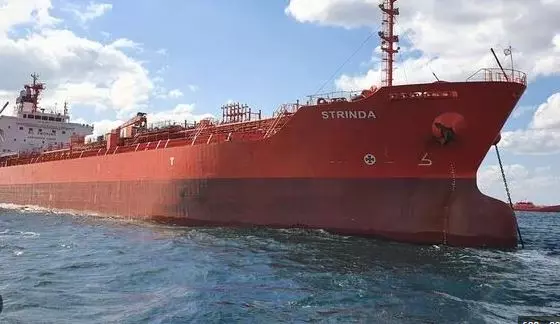

An Israel-affiliated merchant vessel sailing in the Arabian Sea off India's west coast fell victim to an unmanned aerial vehicle, causing a harrowing fire on board. The incident unfolded approximately 200 km southwest of Veraval, India, leaving the Liberian-flagged chemical products tanker with both structural damage and water intake.
Fortunately, the crew managed to extinguish the flames, averting any casualties. The vessel, en route from Saudi Arabia to India, had an encounter with the unidentified aerial vehicle. The details of the attack point to a significant escalation in maritime tensions in the region.
The British maritime security firm Ambrey, which reported the incident, highlighted the Israel affiliation of the vessel, shedding light on potential motives behind the attack. The vessel had recently called at Saudi Arabia before heading to its destination in India, adding a layer of complexity to the unfolding situation.
In response to the distressing event, the Indian Navy has initiated a prompt and comprehensive response, although details of their actions remain undisclosed at this time. The incident follows a series of drone and missile attacks in the Red Sea, with the Iran-backed Houthis claiming responsibility.
Their stated objective is to support Palestinians facing challenges in the Gaza Strip, allegedly under siege by Israel. These attacks have not only heightened tensions but have also compelled commercial shipping to alter routes, navigating around the southern tip of Africa to avoid the risk-laden Red Sea region.