


















Conversion not a grave crime: SC questions HC reluctance to grant bail to Muslim cleric
text_fields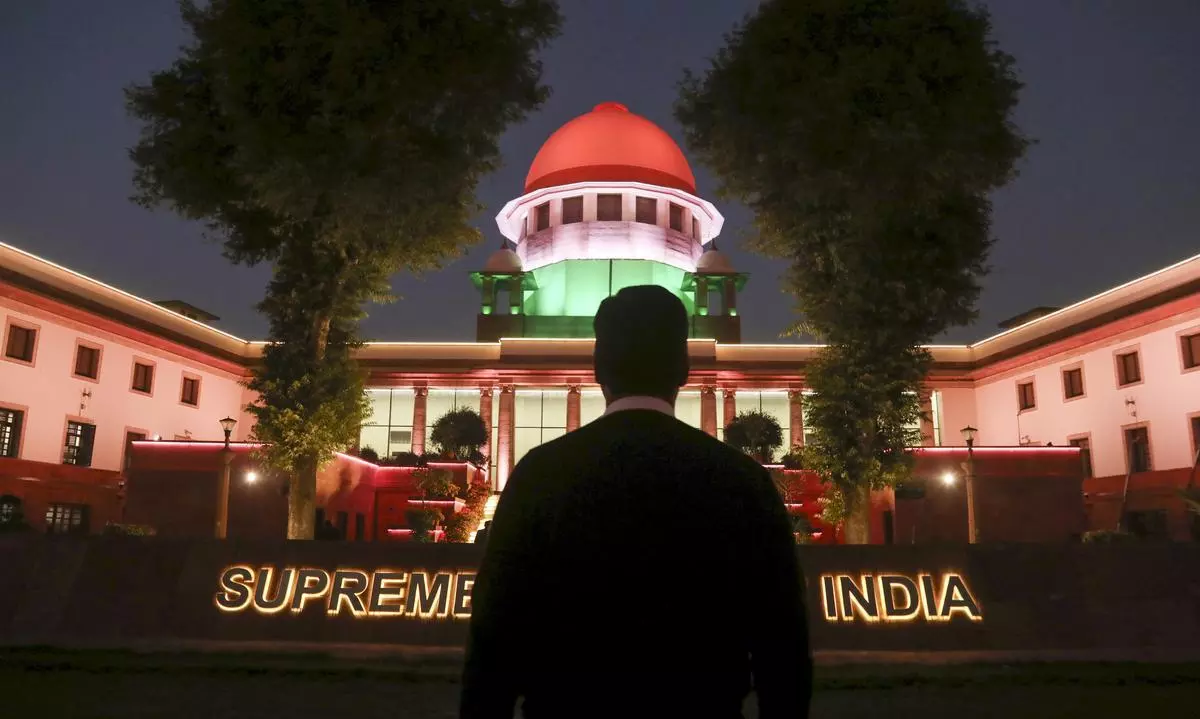

Granting bail to a Muslim cleric accused of coercing a mentally ill boy to convert to Islam, the Supreme Court questioned the High Court’s reluctance to grant bail, emphasising that the offence of illegal conversion is not as severe as crimes like murder, dacoity, or rape.
Syed Shad Kazmi, a madrasa cleric from Kanpur in Uttar Pradesh, had been in custody for eleven months after being charged under sections of the Indian Penal Code related to intentional insult with intent to provoke a breach of peace and criminal intimidation, as well as under the Uttar Pradesh Prohibition of Unlawful Conversion of Religion Act.
The case stemmed from allegations that Kazmi coerced the boy, who had been abandoned by his parents, into converting to Islam, although the cleric denied the charges, asserting that he had provided the boy with shelter on humanitarian grounds. A bench of Justices JB Pardiwala and R Mahadevan overturned an earlier Allahabad High Court decision, finding no substantial justification for the denial of bail.
The Supreme Court criticised the lower courts for failing to exercise judicial discretion in granting bail, particularly in cases where the offence does not involve grave harm to society. It remarked that the trial court should have released Kazmi on bail with appropriate conditions and highlighted the need for judicial officers to better understand the principles governing bail decisions.
Observing that Kazmi’s bail petition should not have required intervention from the apex court, the bench directed the trial court to determine the conditions for his release. The court also questioned the rationale behind keeping Kazmi in custody and stated that his release, under appropriate safeguards, would not have jeopardised the prosecution’s case.