


















Former Election Commissioner questions exclusion of CJI from EC appointment
text_fields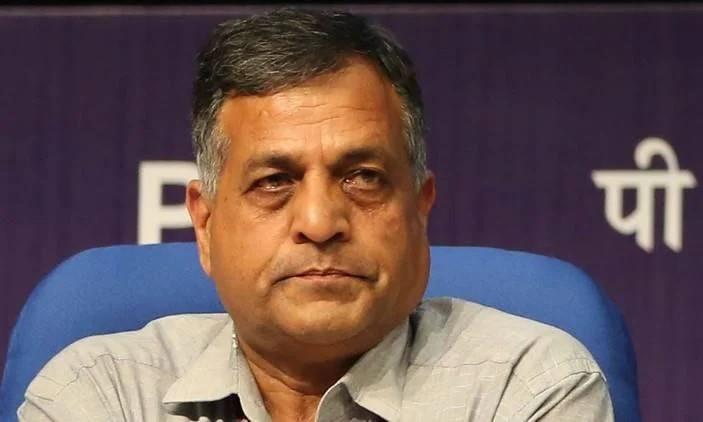

Former Election Commissioner Ashok Lavasa has raised serious concerns about the Modi government's methods for appointing vacancies in the Election Commission (EC).
Lavasa, who resigned from the EC despite being on course to be Chief Election Commissioner, has criticized the exclusion of the Chief Justice of India (CJI) from the appointment committee, calling it "hard to fathom."
He argues that this exclusion creates a "predetermined bias" in the committee's view and undermines consensus-building.
Lavasa's critique extends to the recent changes in the appointment process, including the replacement of the Cabinet Secretary by the Law Minister as the chair of the Search Committee.
He questions the removal of provisions requiring committee members to have knowledge and experience in election matters, suggesting that these changes defy logical understanding.
The former Election Commissioner's concerns come amidst a backdrop of controversy surrounding his dissent against the Modi government in 2019. Lavasa was the sole member of the EC to rule that Modi had violated the Model Code of Conduct during the 2019 general elections. His demand to record dissent notes in commission orders was rejected, leading to speculation about political pressure.
Lavasa's personal mobile number was reportedly targeted by Pegasus spyware shortly after his dissent. In addition, his family members came under scrutiny from investigative agencies, leading Lavasa to reflect on the "price of honesty" in a 2019 editorial.
The timing of Lavasa's critique coincides with a recent report by V-Dem (Varieties of Democracy), which classified India as an electoral autocracy from 2018 to 2023. The report also highlights a significant deterioration in India's clean elections index, raising concerns about the fairness of electoral processes in the country.