



















IVF breakthrough: human eggs “rejuvenated”, may boost success rate
text_fields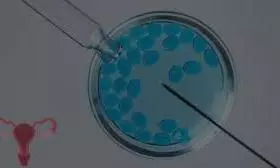

Scientists have reported what they describe as the first successful “rejuvenation” of human eggs, a development that could significantly improve IVF success rates for older women by reducing age-related genetic errors.
The research shows that supplementing ageing eggs with a crucial protein can reverse a defect that commonly leads to chromosomal abnormalities in embryos.
In laboratory experiments, eggs treated with the protein were almost half as likely to show these defects compared with untreated eggs, raising hopes of more reliable IVF outcomes.
If validated in larger clinical trials, the technique could help address one of the most persistent problems in fertility medicine: declining egg quality with age. This decline is the primary reason IVF success rates fall and miscarriage rates rise as women grow older.
“Overall, we can nearly halve the number of eggs with abnormal chromosomes. That’s a very prominent improvement,” said Prof Melina Schuh, director at the Max Planck Institute for Multidisciplinary Sciences in Göttingen and co-founder of fertility biotech firm Ovo Labs. She noted that while many women in their early 40s still produce eggs, most of those eggs have incorrect chromosome numbers, severely limiting their chances of pregnancy.
The findings, published as a preprint on the bioRxiv platform and due to be presented at the British Fertility Conference in Edinburgh, focus on errors during meiosis — the process by which eggs prepare their genetic material for fertilisation. With age, chromosomes are more likely to separate incorrectly, resulting in embryos with missing or extra chromosomes.
Schuh’s team previously found that levels of a protein called Shugoshin 1, which helps keep chromosome pairs together, decline with age. In the latest study, injecting this protein into donated human and mouse eggs restored chromosome stability. In eggs donated by patients at a Cambridge fertility clinic, chromosomal defects fell from 53% to 29% after treatment.
While the approach will not extend fertility beyond menopause, researchers believe it could make existing IVF cycles more effective.
Experts not involved in the study have called the results promising, and regulatory discussions are underway to begin clinical trials to determine whether healthier eggs lead to higher pregnancy success rates.