







First photographic record of Eurasian lynx in Sikkim captured on Tso Lhamo Plateau
text_fields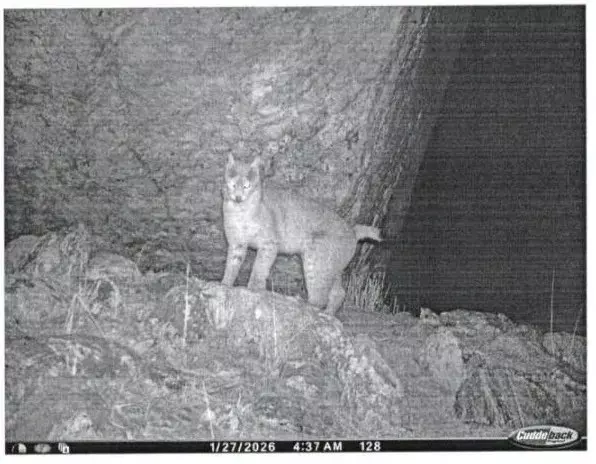

Gangtok: A camera trap has captured the first-ever photographic evidence of the elusive Eurasian lynx in Sikkim, conservation officials said, marking a milestone for wildlife monitoring in the eastern Himalayas.
The image was recorded at about 5,250 metres on the Tso Lhamo Plateau during a long-term Snow Leopard and Rangeland Monitoring Programme run jointly by the Sikkim Forest and Environment Department and WWF-India. Camera traps deployed as part of the survey produced the rare visual of the lynx, a species seldom seen because of its secretive habits and preference for isolated, high-altitude terrain.
Indian Forest Service officer Parveen Kaswan shared the discovery on X, calling it a reminder of the “hidden wildlife” thriving in the Himalayas and describing the animal as a “ghost of the mountains.” His post drew praise from wildlife enthusiasts and conservationists online.
The Eurasian lynx (Lynx lynx) is the largest of the four lynx species and is recognised by its black ear tufts, short tail, thick spotted coat and broad, snow-adapted paws. Though distributed across parts of Europe and Asia, it is rarely photographed, making the Sikkim record significant for understanding the species’ range and habitat use in India.
Officials said the finding underlines the value of long-term scientific monitoring and non-invasive tools like camera traps for documenting elusive species and guiding conservation efforts in fragile high-altitude ecosystems.