












Man behind 2006 Kremlin-critic-poisoning dies
text_fields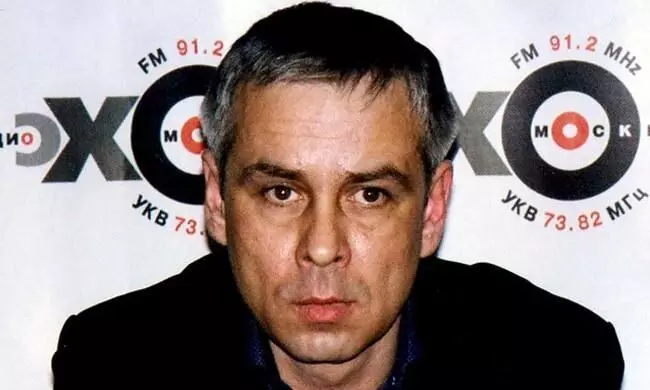

Moscow: One of the two Russians, who were accused of critic Kremlin critic Alexander Litvinenko, died of Covid-19 in a Moscow hospital. The man, named Dmitry Kovtun, was charged with the deed by Britain in London in 2006, Reuters reported citing the TASS news agency.
The Kremlin critic Litvinenko had met the suspects, Kovtun and his companion Andrei Lugovoy, at London's Millennium Hotel and drank green tea added with radioactive polonium-210. Weeks later, he died.
A probe into the poisoning of the Litvinenko found traces of polonium at many locations where the two suspects have been. Locations included offices, hotels, planes and the Arsenal soccer stadium, but the two denied poisoning the critic, and Russia refused to submit them for trial.
Alexander Litvinenko was a British citizen and a former KGB officer. He had become a strong critic of Russian President Vladimir Putin and, on his death bed, had accused Putin of ordering his killing. However, Kremlin has denied Litvinenko's allegations.
But, in 2016, a British judge concluded, based on the probe into the case, that the Russian FSB spy agency murdered Litvinenko, and the operation must have had Putin's nod.
Meanwhile, Reuters reported that TASS quoted the Lugovoy, Kovtun's then companion, that he is morning a "close and faithful friend's" death. Lugovoy is currently a major member of the Russian Parliament.