













Hungary reverses ICC exit plan, parliament votes to stay in court
text_fields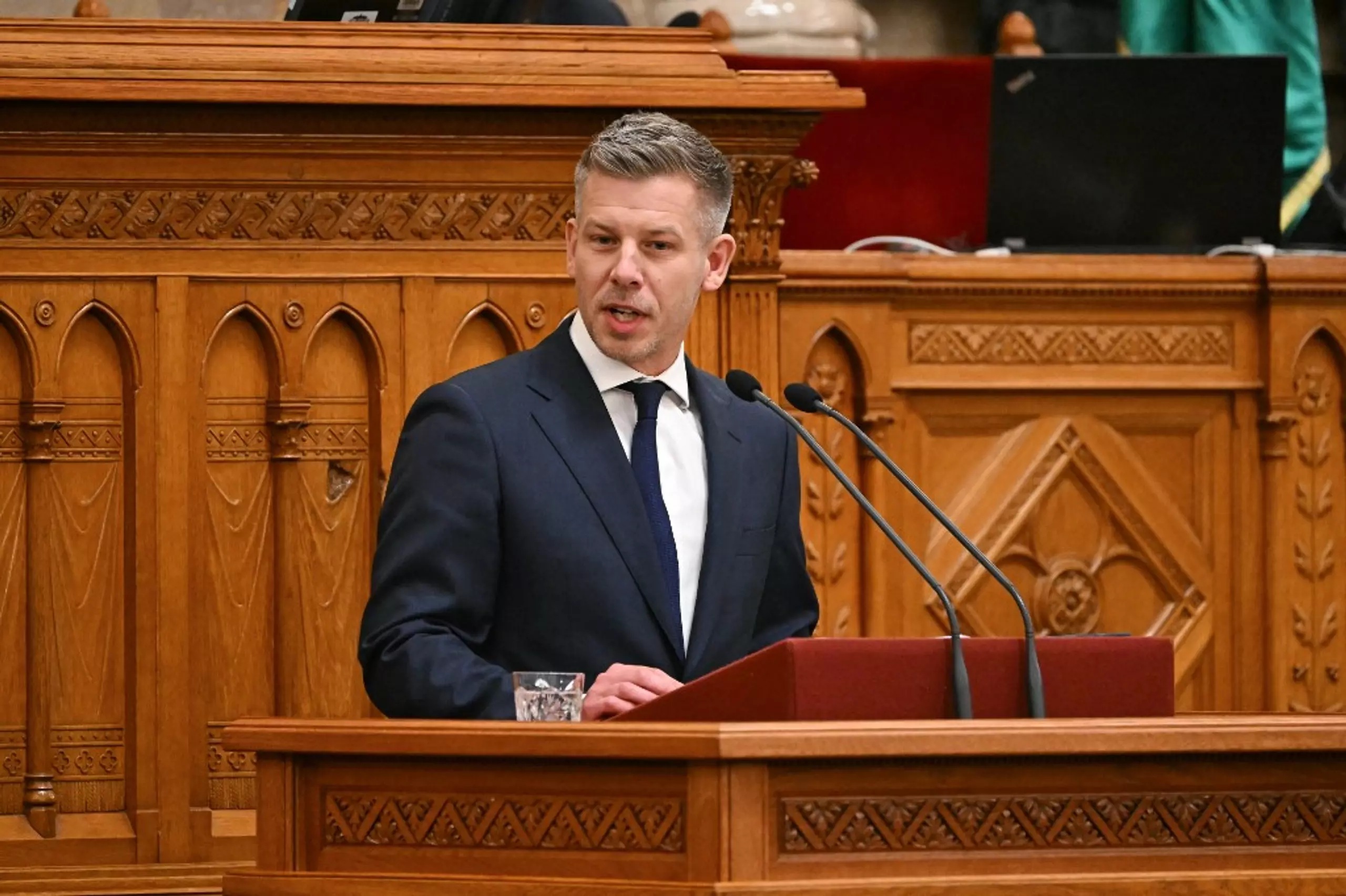

Budapest: Hungary’s parliament on Wednesday voted to remain a member of the International Criminal Court (ICC), reversing a decision by the previous government of Prime Minister Viktor Orban to withdraw from the global tribunal.
Orban’s administration had announced last year that Hungary would leave the ICC — the world’s only permanent international court for war crimes and genocide — shortly after Israeli Prime Minister Benjamin Netanyahu visited the country despite an ICC arrest warrant against him over alleged war crimes linked to Israel’s war in Gaza.
The ICC and several international organisations had criticised the Orban government for failing to detain Netanyahu during the visit. Orban had defended the move, accusing the ICC of functioning as a “political court.” Hungary’s withdrawal from the tribunal had been scheduled to take effect on June 2.
The bill reversing the withdrawal decision was submitted on Monday by Prime Minister Peter Magyar. It stated that maintaining international peace and protecting human rights requires that those accused of the gravest international crimes be held accountable before an international judicial body.

“To this end, it is necessary to maintain Hungary’s participation in the Statute of the International Criminal Court,” the bill said.
The legislation was passed largely along party lines, with 133 lawmakers from Magyar’s ruling Tisza party voting in favour, while 37 voted against and five abstained.
The ICC’s oversight body, the Assembly of States Parties, welcomed Hungary’s decision to remain in the court. In a statement issued ahead of the vote, it congratulated the Hungarian government on what it described as an “important decision.”
Last year, the ICC ruled that Hungary had failed to meet its legal obligation to arrest Netanyahu. In July, a panel of ICC judges stated that the “failure to arrest suspects severely undermines the court’s ability to carry out its mandate.”
Hungary was among the founding members of the ICC, and Viktor Orban himself signed the Rome Statute — the treaty establishing the court — in 1999.
Had Hungary proceeded with its withdrawal, it would have become only the third country after the Philippines and Burundi to leave the ICC, and the only member state in the 27-nation European Union not party to the court.
With PTI inputs