












SC questions CBSE's third language from class 9, recommends class 6
text_fields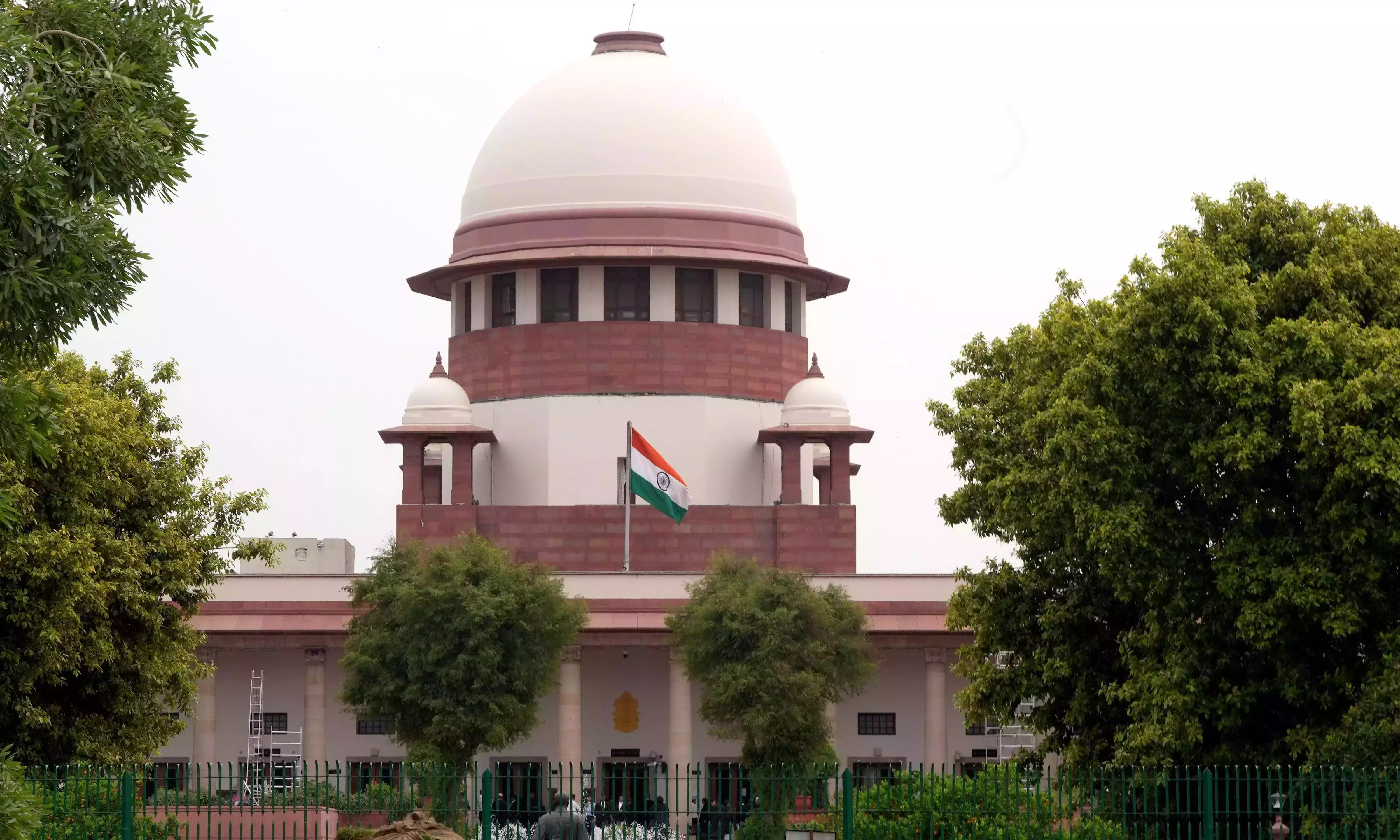

New Delhi: The Supreme Court on Thursday expressed concern over the introduction of a third language from Class 9 under the CBSE curriculum, observing that asking students to begin learning a new language at that stage could place unnecessary academic pressure on those preparing for Board examinations.
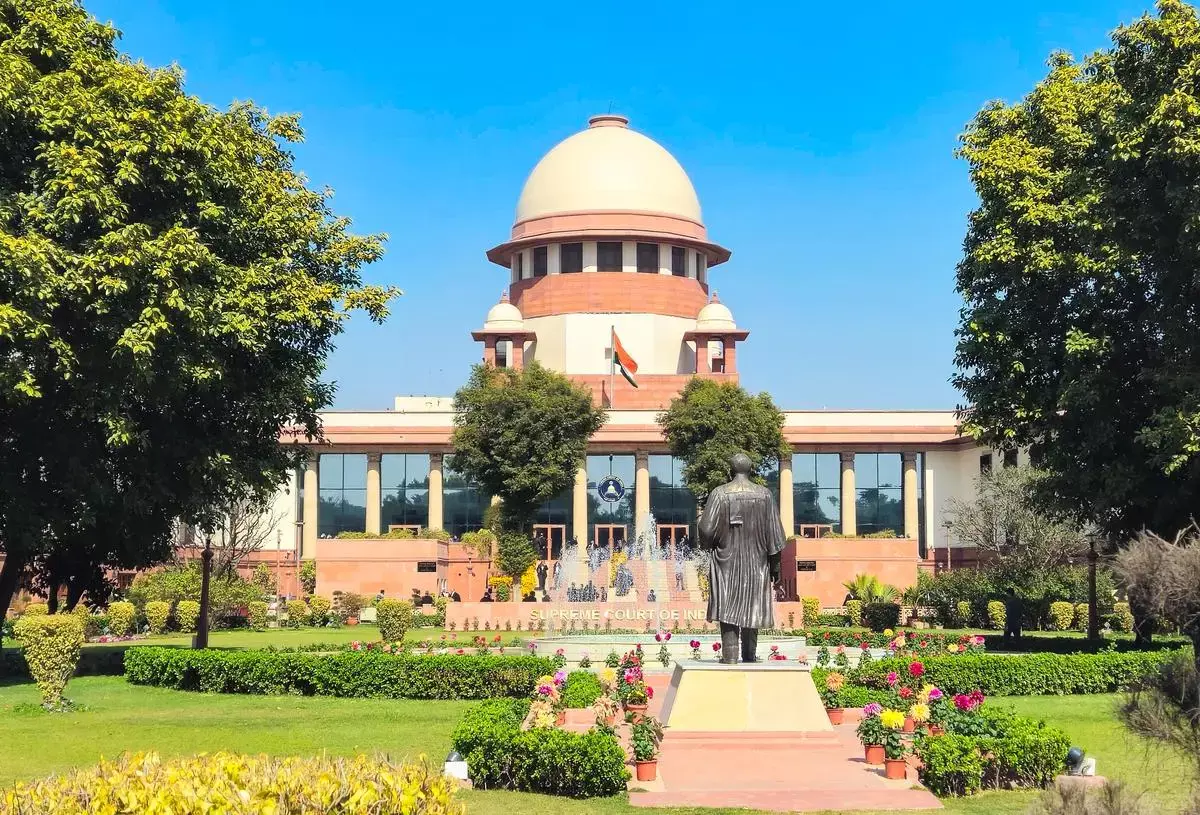
A Bench of Justices B.V. Nagarathna and R. Mahadevan made the observations while hearing the Tamil Nadu government's appeal against a Madras High Court judgment directing the state to facilitate the establishment of Jawahar Navodaya Vidyalayas (JNVs) in every district.
Although the validity of the CBSE's revised three-language policy was not under challenge in the case, the issue arose during arguments over Tamil Nadu's opposition to JNVs, which follow the three-language framework.
Questioning the rationale behind introducing a new language at the secondary level, the Bench observed that students should begin learning a third language much earlier.
"Don't have a new language in 9th standard please. In 5th or 6th standard, you can start a third language. And by 9th standard, it should stop, the third language. See the stress they are having. Advise your government. The student in me is still alive!" Justice Nagarathna remarked.

When informed that the third language becomes compulsory only from Class 9 in CBSE schools, the Bench said such a move would place avoidable stress on students.
"No, that is very bad. 9th standard is stressful. Why do you introduce a new language in 9th? You introduce it in 6th," Justice Nagarathna said, recalling that students during her schooling began learning a third language in middle school.
She said students in her school had the option of studying Kannada, Hindi or Sanskrit as the third language, adding that "the earlier, the better" when it comes to language learning.
Justice Nagarathna further observed that students begin preparing for the Class 10 Board examinations from the end of Class 8 and introducing a new language in Class 9 would only increase their burden.
During the hearing, the Tamil Nadu government submitted that its objection centred on the three-language policy.
The Bench, however, observed that the policy does not mandate Hindi as the third language.
"The State language has to be taught, English has to be taught and any third language. It doesn't say Hindi," the court remarked.

The Bench also questioned Tamil Nadu's continued opposition to the establishment of Jawahar Navodaya Vidyalayas.
"You must have Navodaya schools," Justice Nagarathna observed.
When the state's counsel said discussions with the Centre were still underway, the court noted that the Union government would bear the cost of establishing the schools, while the state only needed to provide land.
"The Central government will make all the expenditure. You have to make available only the land. All other States, Navodaya schools are there. Why are you depriving Tamil Nadu? Don't have this attitude 'because Navodaya school is by the Union government, why should we have it?'," the Bench remarked.
Taking note of the submission that discussions between the Union government and the newly elected Tamil Nadu government were continuing, the Supreme Court agreed to defer the matter.
"Let them get instructions. A different government is there now. We don't know what their policy is," the Bench observed.
The matter has been posted for further hearing on August 11.
The case relates to the Tamil Nadu government's challenge to a Madras High Court judgment directing the establishment of a Jawahar Navodaya Vidyalaya in every district of the state.
The High Court had held that the state's refusal to permit JNVs curtailed students' right to choose educational institutions and was inconsistent with the Right of Children to Free and Compulsory Education Act.
The Supreme Court had stayed the High Court's directions in 2017. In December 2025, it directed the Centre and the Tamil Nadu government to hold consultations on the feasibility of establishing JNVs in the state.
Meanwhile, the validity of the CBSE's revised three-language policy is under challenge before a separate Bench headed by Chief Justice of India Surya Kant.
Earlier this week, the apex court issued notice to the Centre, the CBSE and the NCERT on a fresh batch of petitions challenging the policy, but declined to stay its implementation. The matter is scheduled for detailed hearing on July 29.
With IANS inputs