












Elon Musk loses over $600 billion in wealth as SpaceX, Tesla stocks slide
text_fields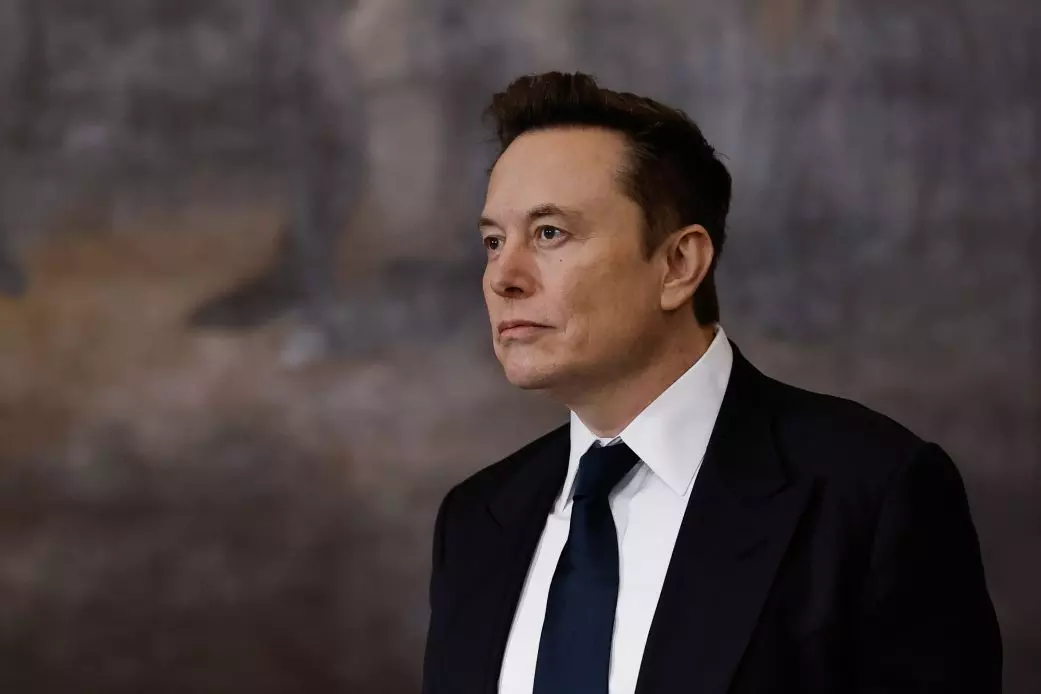

New Delhi: Elon Musk's personal fortune has plunged by more than $600 billion in just over a month following a sharp decline in the shares of SpaceX and Tesla, even as the billionaire continues to pursue aggressive investments in artificial intelligence, autonomous driving and robotics.
Musk's net worth has fallen to around $684 billion from a peak of nearly $1.33 trillion reached on June 16, when SpaceX briefly made him the world's first-ever trillionaire.
The decline in his wealth alone exceeds the total net worth of every other billionaire except Musk himself.
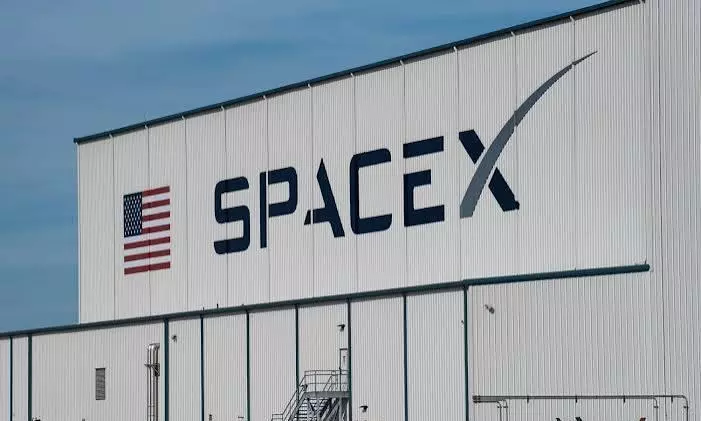
The sharp erosion has been driven primarily by a steep correction in SpaceX shares following the company's blockbuster market debut.
After raising $75 billion in what became the largest initial public offering in history, SpaceX listed its shares at $150 each, above its IPO price of $135.
Investor enthusiasm initially drove the stock up by more than 50 per cent within three trading sessions, with shares reaching a record closing high of nearly $202 on June 16.
The rally, however, proved short-lived. SpaceX shares have since plunged around 46 per cent from their peak to a record low of $108.37, wiping out hundreds of billions of dollars from Musk's fortune.
The pressure on Musk's wealth has been compounded by weakness in Tesla shares. The electric vehicle maker's stock has fallen 17 per cent since the company reported its second-quarter earnings on July 22.
Tesla missed analysts' profit estimates for the first time in more than two years and reported negative free cash flow as spending on artificial intelligence and robotics accelerated.
The company said higher operating expenses linked to AI investments, lower average selling prices and declining regulatory credit revenue weighed on profitability despite an increase in vehicle deliveries.
Despite the near-term financial pressure, Musk remains committed to an aggressive investment strategy.
He has said Tesla plans to spend more than $25 billion this year, nearly three times the amount invested last year, to expand its capabilities in AI-powered self-driving technology, robotaxis and humanoid robots.
With IANS inputs