












Trump slaps 100% tariff on movies made outside US
text_fields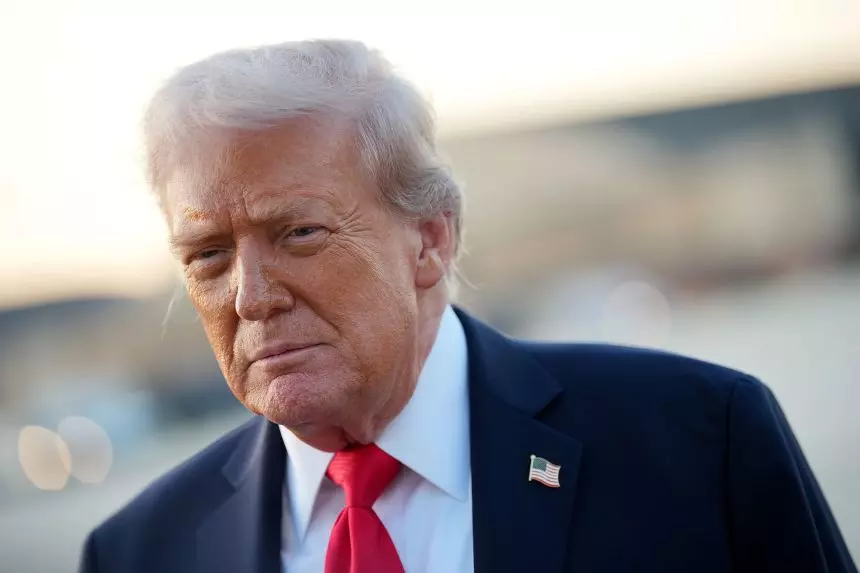

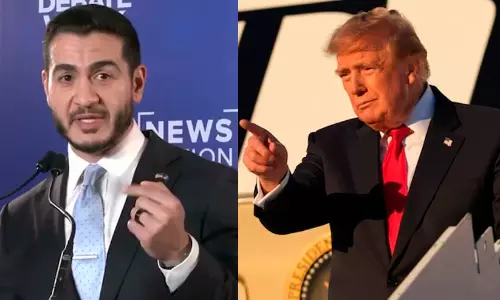
New York: United States President Donald Trump on Monday announced a 100 per cent tariff on movies made outside the country, a move expected to have significant repercussions for the Indian film industry.
“Our movie-making business has been stolen from the United States of America, by other countries, just like stealing 'candy from a baby',” Trump posted on Truth Social. He added that California has been particularly “hard hit” and blamed Democratic Governor Gavin Newsom for the losses, calling him “weak and incompetent.” “To solve this long time, never ending problem, I will be imposing a 100 per cent Tariff on any and all movies that are made outside of the United States,” Trump said.
The decision is likely to affect the Indian film industry, as the US is one of the leading markets for Indian movies due to a large Indian diaspora. India produces films in multiple languages, which are popular among diverse diaspora communities. According to a 2017 Forbes report, Indian language films have become a lucrative business in the US and Canada, with earnings commonly exceeding USD 8 million and occasionally topping USD 10 million. Over 1,000 screens in North America may be dedicated to Indian films at any given time, experts say, and collections have risen significantly since 2017.
In addition to movie tariffs, Trump has announced “substantial tariffs” on furniture imports to revive North Carolina’s lost furniture industry. “In order to make North Carolina, which has completely lost its furniture business to China and other countries, GREAT again, I will be imposing substantial Tariffs on any Country that does not make its furniture in the United States. Details to follow,” he posted on social media.
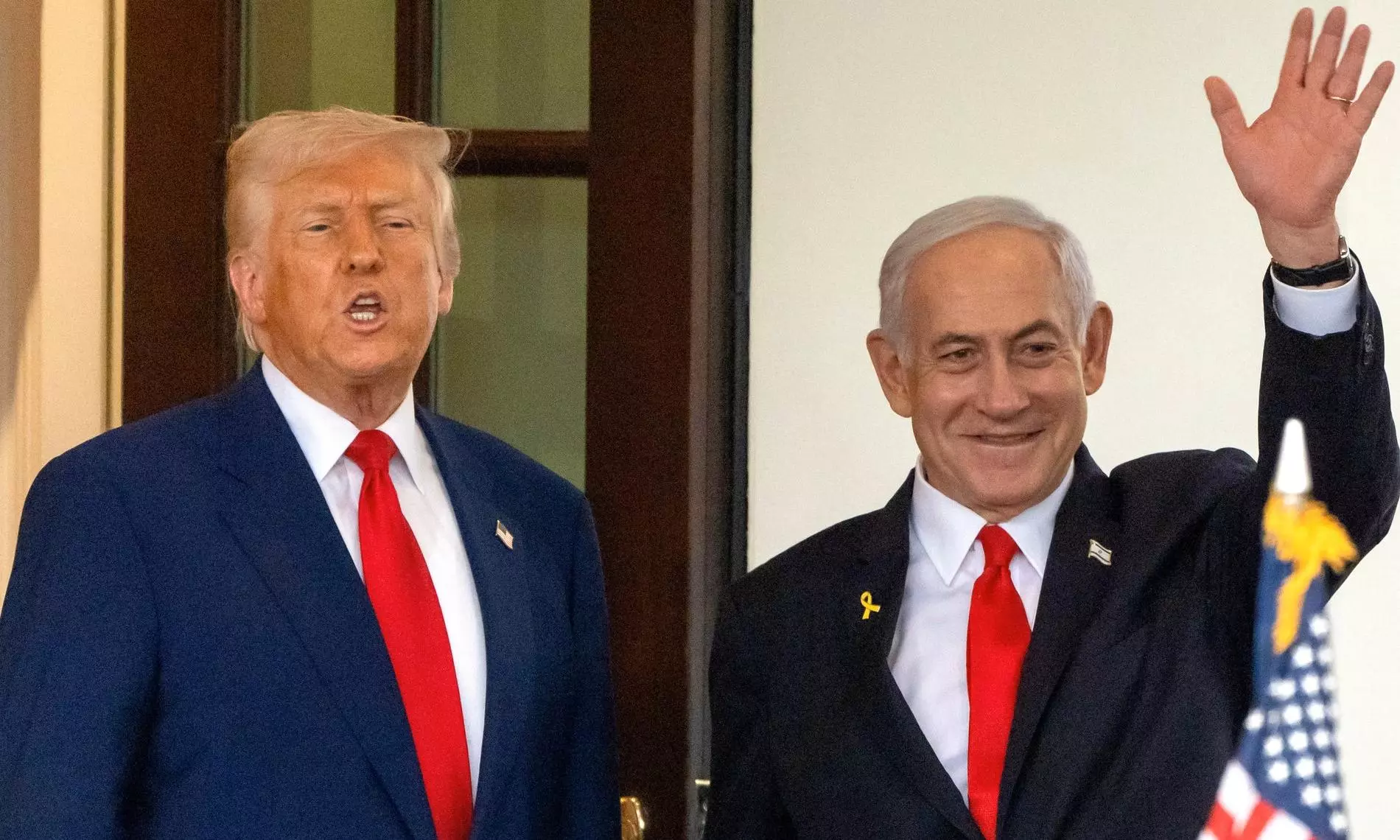
The move comes days after the administration imposed tariffs on pharmaceutical products. Starting October 2025, the US will levy a 100 per cent tariff on branded or patented pharmaceutical products unless the company has manufacturing operations in the US. The Indian Pharmaceutical Alliance (IPA) clarified that the tariffs will impact only patented and branded products, not generic medicines.
The Trump administration has also imposed 50 per cent tariffs on India, including a 25 per cent levy on New Delhi’s purchases of Russian oil, among the highest rates imposed globally. India maintains that its energy procurement is guided by national interest and market dynamics, turning to discounted Russian oil after Western sanctions following Moscow’s invasion of Ukraine in February 2022.
Despite these tariffs, the US remained India’s largest trading partner for the fourth consecutive year in 2024-25, with bilateral trade valued at USD 131.84 billion (USD 86.5 billion exports). The US accounts for about 18 per cent of India’s total goods exports, 6.22 per cent of imports, and 10.73 per cent of overall merchandise trade.
A delegation led by Union Commerce and Industries Minister Piyush Goyal visited New York last week for discussions with the US side. Both countries had hoped to conclude the first tranche of a Bilateral Trade Agreement by October-November 2025, aimed at more than doubling bilateral trade to USD 500 billion by 2030 from the current USD 191 billion. Officials from the office of the US Trade Representative visited India on September 16 to discuss various aspects of the trade deal and decided to intensify efforts in this regard.
With IANS inputs