


In this Bangladesh mosque, transgenders are welcome
text_fields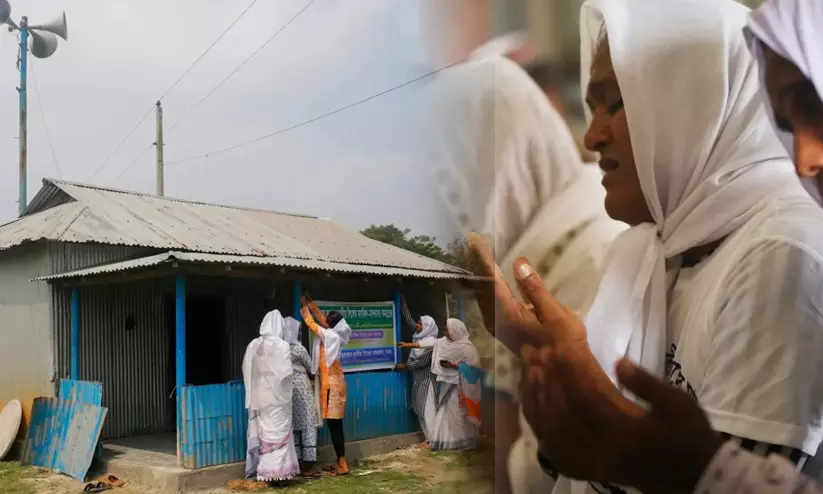

In a landmark move for inclusivity, Bangladesh has opened its doors to the transgender community, welcoming them to pray in a newly constructed mosque named Dakshin Char Kalibari Masjid.
Situated near Mymensingh, north of the capital Dhaka, on the banks of the Brahmaputra River, this single-room structure stands as a symbol of acceptance and progress.
For individuals like 42-year-old Sonia, the opportunity to pray in the mosque has been nothing short of overwhelming. Sonia, who cherished reciting the Quran as a child, found herself barred from mosque attendance after coming out as a transgender woman.
This exclusion mirrors a pervasive practice across South Asian countries, where transgender individuals are often shunned from places of worship.
"People would tell us: 'Why are you hijra people here at the mosques? You should pray at home. Don’t come to the mosques'," Sonia recalled, highlighting the discrimination faced by her community.
But with the inauguration of Dakshin Char Kalibari Masjid on government-donated land, Sonia and others like her can now pray without fear of prejudice.
Sonia expressed that the previous exclusion from mosques was a source of shame for the transgender community, leading many, including herself, to refrain from attending.
However, with the establishment of the new mosque, she asserted that it now belongs to them, ensuring that they won't face rejection. This development opens the doors for Sonia and others in her community to pray without encountering discrimination.
Bangladesh has gradually adopted a more inclusive stance towards the transgender community since 2013, despite facing backlash from conservative Islamist factions. The recent inclusion of transgender individuals in school textbooks has sparked significant controversy and protests.