














The VB-G-RAM-G Act must be resisted
text_fields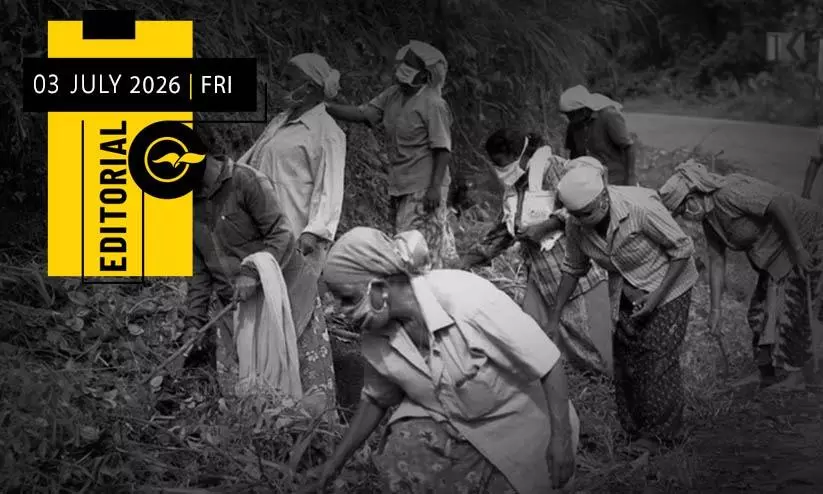

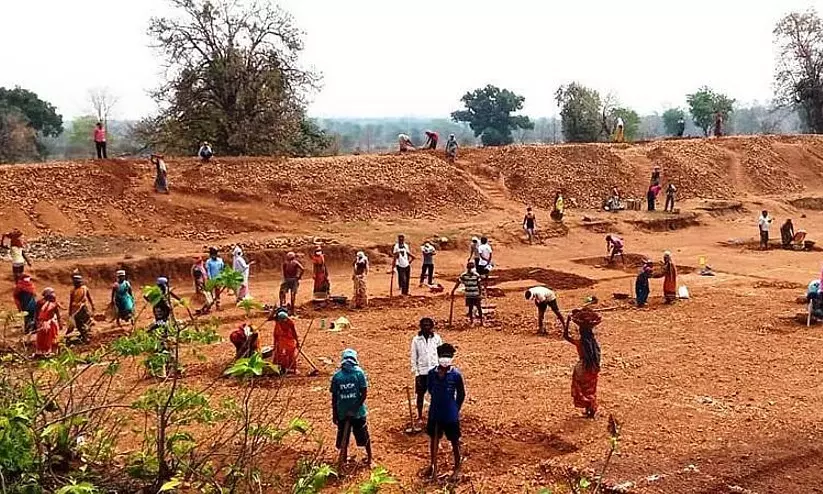
The Mahatma Gandhi National Rural Employment Guarantee Scheme, conceptualised by the UPA government in 2005 under the Common Minimum Programme, has been dismantled. In its stead, the VB-G RAM G Act (Viksit Bharat – Guarantee for Rozgar and Ajeevika Mission Gramin) was passed by Parliament last December and came into effect on 1 July. Since 2006, the original scheme has generated billions of person-days of employment annually, benefited nearly fifty million families each year, secured female participation exceeding fifty per cent in many years, thereby enhancing household incomes, and served as a catalyst for raising both the wages and the dignity of agricultural labourers. When a new programme of such magnitude is implemented in a manner that completely subverts its founding objectives, why does the nation stand by in such profound silence? By shifting the financial burden onto the states while simultaneously wresting decision-making authority over implementation away from local panchayats and concentrating it in the hands of the Centre, this legislation directly violates the principles of democratic decentralisation and weakens the federal structure. The fact that such a law has been implemented with so little public opposition reflects a deeply perilous state of health within the nation's democracy. Although voluntary organisations have approached the judiciary, challenging certain provisions as unconstitutional, few entertain any real hope of a favourable verdict.
It is an undeniable fact that whilst the National Rural Employment Guarantee Scheme, hitherto implemented across the country, had numerous merits, it was not without its flaws. The political and organisational lapses that occurred during its execution undoubtedly warranted rectification. However, the new Bill has been designed in such a manner that it effectively revokes the statutory right to work, seemingly tailored to ensure that large-scale agricultural landowners are provided with labour at diminished wages. It is precisely to this end that a mandatory sixty-day hiatus during the harvest season has been codified into law. Furthermore, employment opportunities are now strictly contingent upon the budgetary allocations of the Central Government, an amount which the states possess no power to augment. Yet, the states are mandated to mobilise forty per cent of the funding as their own share, even as the authority to notify which areas constitute rural territories rests solely with the Centre. In short, through a single piece of legislation, the VB-G-RAM-G Act undermines the self-respect of the impoverished, stifles the potential for economic growth, erodes the self-determination of women, and dilutes the authority of both state governments and local panchayats. It is for this reason that Aruna Roy, one of the architects of the original employment guarantee scheme, has called upon the citizenry to launch agitations under the rallying cry: "No rural employment guarantee, no vote." She reiterates that a succession of unyielding protests remains imperative until the VB-G-RAM-G Act—which creates fertile ground for corruption, the abuse of power, and nepotism—is ultimately withdrawn.
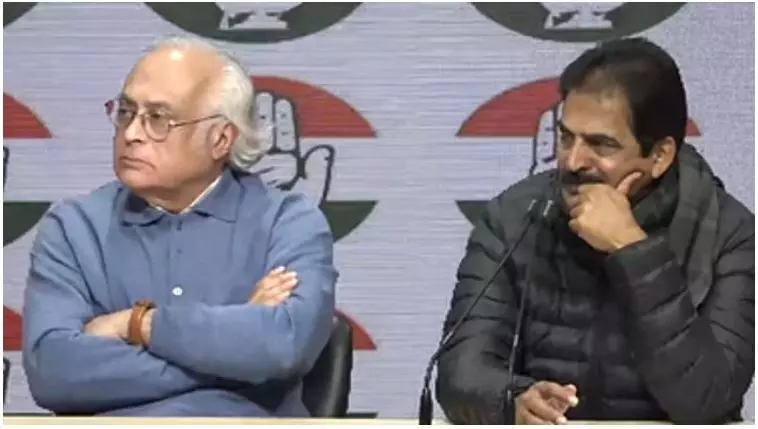
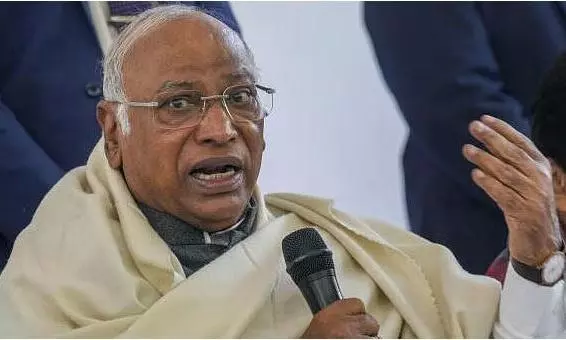
Senior Congress leaders Rahul Gandhi and Mallikarjun Kharge do speak incessantly of the perils this Bill brings in its wake, but the Congress party has failed, as is its wont, to galvanise this concern into a massive wave of popular outrage beyond the confines of press conferences—even within the states where they hold power. The Left parties, for their part, have maintained a critical stance toward the new scheme from its very inception. Indeed, on the fifth of February last year, the Pinarayi Vijayan government unanimously got passed a resolution in the Kerala Legislative Assembly demanding the absolute withdrawal of the Act. Aside from Kerala, the legislative assemblies of four other states have also demanded the revocation of the VB-G-RAM-G Act. Even the coalition partners of the BJP in states ruled by them hold the view that the Bill infringes upon the rights of the states; yet, a pervasive fear of the central rulers saps their courage to articulate these concerns robustly or to issue formal statements demanding its withdrawal. The mainstream media, meanwhile, remains unwilling to lend either ink or voice to fundamental issues that so severely afflict the lives of the rural populace. It is this precarious state of affairs confronting democratic India that allows a piece of legislation, which causes such a monumental violation of fundamental rights, to be accepted with absolute indifference.
In recent days, several states, including Kerala—which had vehemently opposed the Bill—have issued notifications to implement the law. This signifies that the anti-people legislation is now poised to take effect across villages throughout the country. The helplessness and limitations inherent in state governments, coupled with the administrative crises precipitated by the withholding of central funds, are an undeniable reality. Over the past decade, the Left government in Kerala has borne the brunt of these hardships, even as the opposition has subjected it to relentless criticism. Today, the United Democratic Front government finds itself confronting the very same predicament, while the current opposition wields it as a political weapon. Such alternating cycles of recrimination serve only to strengthen the fascist regime at the Centre. Both political fronts must rise to meet the expectations of the people of Kerala, who trust that, regardless of whether the UDF or the LDF is in power, they will stand resolutely against the anti-people policies of the Centre. The Assembly session has just concluded. The Chief Minister must now meet the Leader of the Opposition and together, they must engage in earnest deliberations on the abuse of power perpetrated by the Centre against the states. While preserving their administrative and political differences, they must jointly spearhead coordinated protests against these central legislations. Let Kerala once again infuse the nation with renewed democratic vigour, and make the resistance to the VB-G-RAM-G Act become the catalyst for that renewal.