






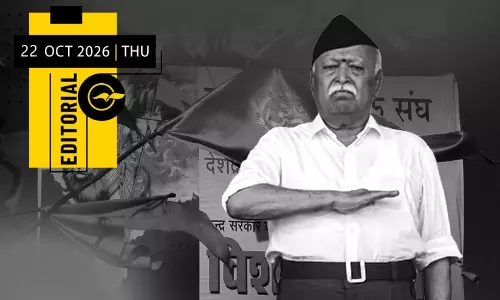







Do not forget this martyr
text_fields

As India, a secular democracy that guarantees freedom of expression, belief and, above all, the right to live with dignity, celebrated its 80th anniversary of independence, 51-year-old Sheikh Muhammad Mafiq breathed his last at Burdwan Medical College Hospital in West Bengal from injuries sustained in a brutal hit. Mob violence and the lynching of people from minority and Dalit communities are not new in modern India. However, the main reason for Sheikh Mafiq's murder was not his religious identity; rather, it was his son's overconfidence in Indian democracy and the Constitution.
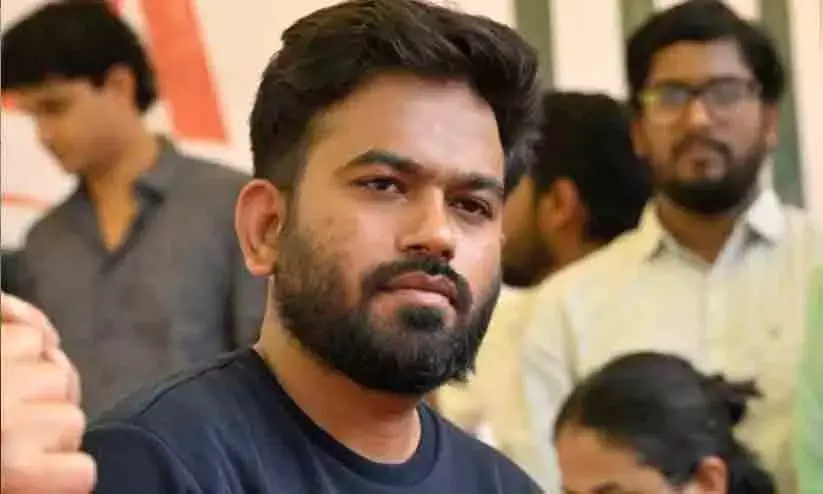
Sheikh Mafiq's son, Sheikh Abdul Hafeez, is an activist of the Cockroach Janata Party (CJP), which led the protest in Delhi that paved the way for the resignation of Dharmendra Pradhan, one of those responsible for the decline in the country's education system. Hafeez, who returned to Bengal after participating in the protest in Delhi, went to Karisunda Paschimpara Primary School, where he had studied, as instructed by the organisation, and sought permission from the headmaster to record its shortcomings on his phone. The headmaster sent him back and told him to return later; that night, BJP workers broke into Hafeez's house and beat him up. They insisted that he apologise for participating in the Delhi protest and for attempting to record the poor condition of the school and post the video. Sheikh Mafiq, who came forward to intervene after seeing his son being assaulted, was hit on the head with an iron rod and injured. Although the police were called, the officers arrived two hours later. Although he was taken to hospital and his wound was bandaged, the family brought him home when the police refused to provide security. As his condition deteriorated and his blood pressure rose, he was later taken to the Medical College Hospital, but it was his lifeless body that returned home.
There are thousands of government schools in the country with inadequate infrastructure and which are on the verge of collapse at any time. There are also many children who swim across rivers, without bridges or water transport facilities, to get to school. Recently, there were incidents in the news in which students protested in some schools, inspired by the CJP's protest, and the authorities agreed to take remedial measures. It is in this context that the CJP launched the 'School Thik Karo (Repair Schools)' campaign as a continuation of the youth movement against NEET corruption. The Sangh Parivar sees the campaign, which aims to visit schools in each area, assess the facilities and bring the issue to the attention of the authorities and the general public, as a move to smear it. If the ruling person had the slightest interest in the country's future and the educational excellence of the coming generation, this is a goal it could have taken up and accomplished within a month. But what good can we expect from the enemies of learning, who even deny central funds for educational development to states that do not implement the PM SHRI scheme, and who conspire to close down about 35,000 schools across the country as part of the National Education Policy!
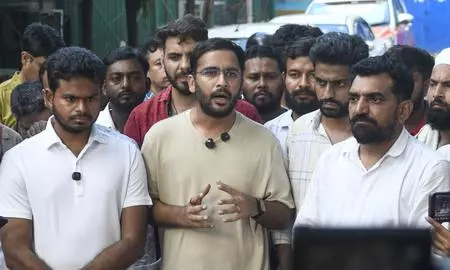
The Sangh Parivar's claim is that the country's schools are functioning well and that some anti-nationals are spreading rumours that there are shortcomings in the schools. On Friday, CJP national spokesperson Ashutosh Ranka and his colleagues, who had gone to visit a school in Kanwarpura village in Rajasthan, were attacked by Sangh Parivar supporters. The RSS mouthpiece has also published an article strongly criticising CJP founder Abhijeet Dipke for visiting a school in his village in Maharashtra, pointing out deficiencies and demanding remedial measures. The Hindutva camp questions what legal right Dipke, who is neither a guardian nor an official, has to enter the school, inspect it and record videos. They apparently consider it an act of overstepping that the youth organisation's activists display an enthusiasm that is sadly missing in the prominent ministers, elected by the people to secure a bright future for children and the country's progress.
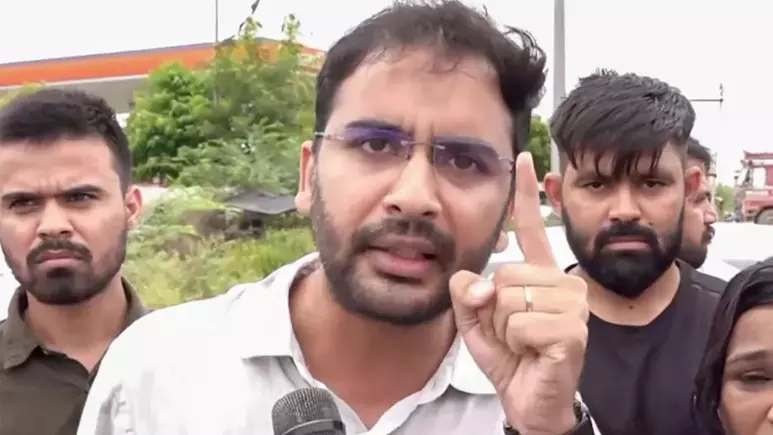
Seeking justice for his father, who was beaten to death by Hindutva assailants, Sheikh Abdul Hafeez said that no amount of money could compensate for the loss of his father and that the government should be prepared to establish a school in his memory with good facilities in the village. Whether the school is built or not, we should never forget the martyr Sheikh Muhammad Mafiq, who gave his life for the right of the country's children to study with dignity.