













Karnataka opposes Centre’s stoppage of sugarcane-based ethanol
text_fields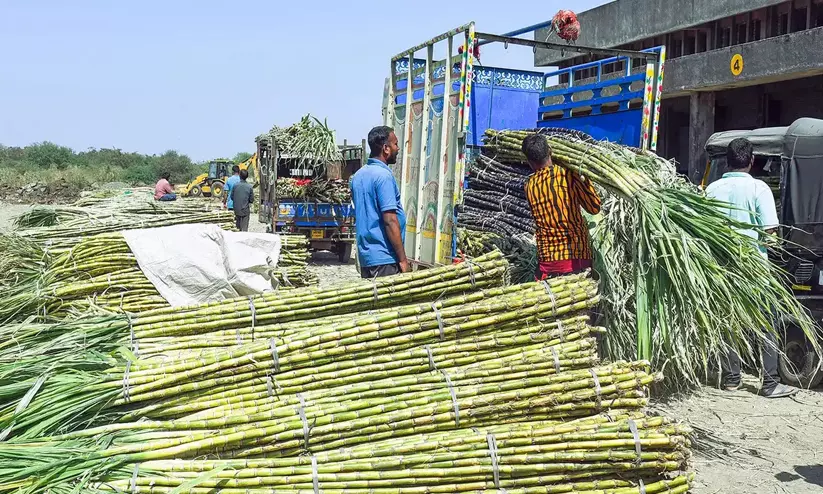

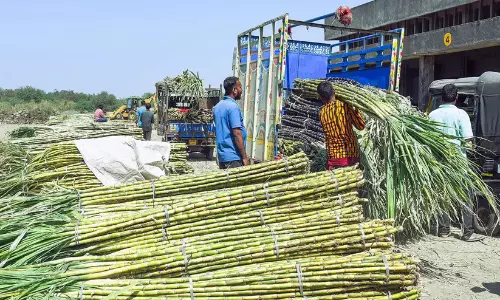
Mangaluru: Karnataka has pushed back against the Centre’s decision to exclude sugarcane-based ethanol from its latest procurement tender, warning that the move could hit sugar mill revenues and undermine timely payments to farmers, according to reports.
Chief Minister D.K. Shivakumar has urged the Union government to reconsider its one-year ban on ethanol produced from sugarcane juice, sugar syrup and B-heavy molasses, key raw materials used in manufacturing ethanol for E20 petrol.
Karnataka, India’s third-largest sugarcane-producing state, cultivates the crop across approximately 7.49 lakh hectares, producing more than 5.73 crore tonnes annually. The state has an estimated annual capacity to manufacture 225 crore litres of sugarcane-based ethanol.
Shivakumar warned that excluding these feedstocks would financially strain sugar mills and weaken their ability to pay growers on time. He has sought a fair allocation of sugarcane-based ethanol production in proportion to mills' installed capacity.
The chief minister has also called for a revision of ethanol prices for products made from sugarcane juice and B-heavy molasses, which have remained unchanged since 2022-23 despite annual increases in the Fair and Remunerative Price (FRP) payable for sugarcane.
The dispute centres on a fresh tender issued by oil marketing companies for procuring 1,100 crore litres of ethanol. The tender completely excludes supplies derived from sugarcane juice, sugar syrup and B-heavy molasses.
Instead, procurement is restricted to ethanol produced from maize, damaged foodgrains, surplus rice held by the Food Corporation of India and lower-grade C-heavy molasses.
The Karnataka government’s opposition highlights the economic stakes of the policy shift for sugar mills and cane growers, particularly in a state with substantial sugarcane production and ethanol manufacturing capacity.