












HC overturns police denial: Jamiat marches in Kolkata against SIR deletions
text_fields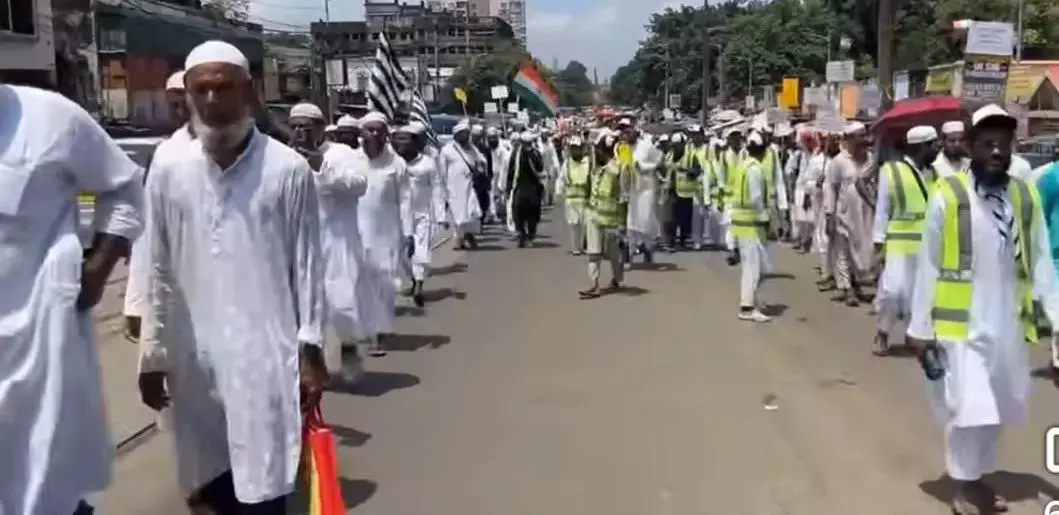
Photo: Maktoob Media

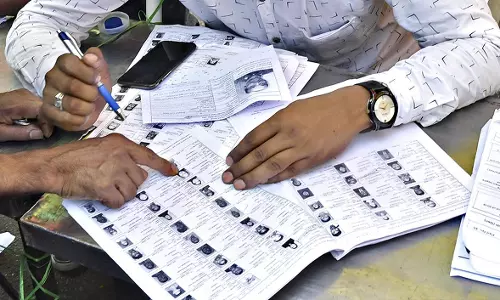
Kolkata: The West Bengal unit of Jamiat-e-Ulema organised a protest march on Tuesday over the alleged large-scale deletion of voters’ names during the Special Intensive Revision (SIR) and the removal of loudspeakers from mosques.
The demonstration was held after the Calcutta High Court allowed the procession, overturning Kolkata Police’s earlier refusal to grant permission. The march was permitted to proceed from Rajabazar to Moulali between 11.30 am and 1 pm.
The rally was led by the organisation’s state president, Maulana Siddiqullah Chowdhury, who criticised the removal of loudspeakers from mosques and accused the RSS of politicising the issue, Maktoob Media reported.
Jamiat-e-Ulema had moved the High Court after the police declined its request to organise the rally. The organisation’s national secretary had submitted an application on August 3, seeking permission for around 2,000 people to march from Rajabazar to Esplanade on August 11.
The police communicated their decision to reject the application at around 8.30 pm on August 7, a timing that drew criticism from the court. Justice Saugata Bhattacharyya observed that the decision could have been taken earlier and noted a pattern of authorities communicating refusals on Friday evenings, leaving organisers with little time to seek judicial intervention and requiring the court to hear such matters over weekends.
The court eventually allowed the procession but restricted participation to 750 people.
Kolkata Police had opposed the proposed march on the grounds that its route passed through some of the city’s busiest commercial and traffic corridors. During the hearing, the State also referred to allegations of violence during an earlier Jamiat-e-Ulema procession.
However, the court noted that the allegation had not been mentioned in the police’s original order denying permission. Justice Bhattacharyya observed that the State could not subsequently add new reasons to justify its earlier decision.
The State further argued that the proposed protest concerned the SIR process, which is currently the subject of litigation. The court, however, pointed out that the right to protest was protected under Article 19 of the Constitution.
Justice Bhattacharyya also questioned the State’s objection to holding the rally on a weekday, asking whether the proposed procession was the only such event to have taken place in Kolkata during the past year.
The court imposed several conditions while granting permission. Apart from limiting the gathering to 750 participants, it directed 10 volunteers to provide their contact details to the police by 10 pm on Monday.
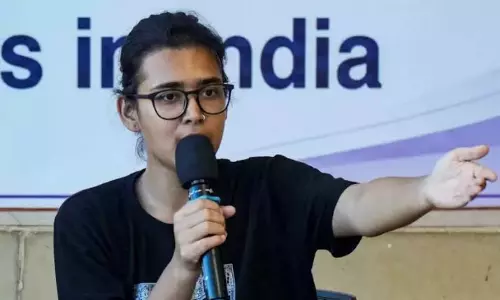
The organisers were prohibited from using loudspeakers and were allowed to use only hand-held microphones. They were also instructed to ensure that one side of the road remained open for traffic.
The protest also came against the backdrop of loudspeakers being removed from several mosques across West Bengal. Mosque authorities reportedly took down loudspeakers used for the azan on Wednesday following verbal instructions from local police stations.
According to Waqf Board records, West Bengal has around 62,000 registered mosques, although the actual number is believed to be higher because many small mosques in villages are not included in official records.