











Alternate Babri mosque project being scaled down for want of funds
text_fields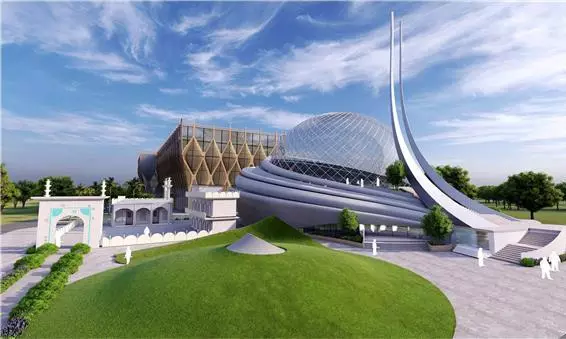

Lucknow: The construction of a mosque complex on the land allotted to replace the Babri Masjid is being scaled down drastically. The Indo-Islamic Cultural Foundation, formed by the Uttar Pradesh Sunni Central Waqf Board which is leading the project, said that the mosque complex project on the land allotted to the Muslim community as part of the Supreme Court's 2019 verdict in the Babri case has been curtailed due to paucity of funds. The original plan was to raise the required funds through crowd funding and other donations. Officials said that the reason for the change in the project was not receiving the expected financial support from the community.
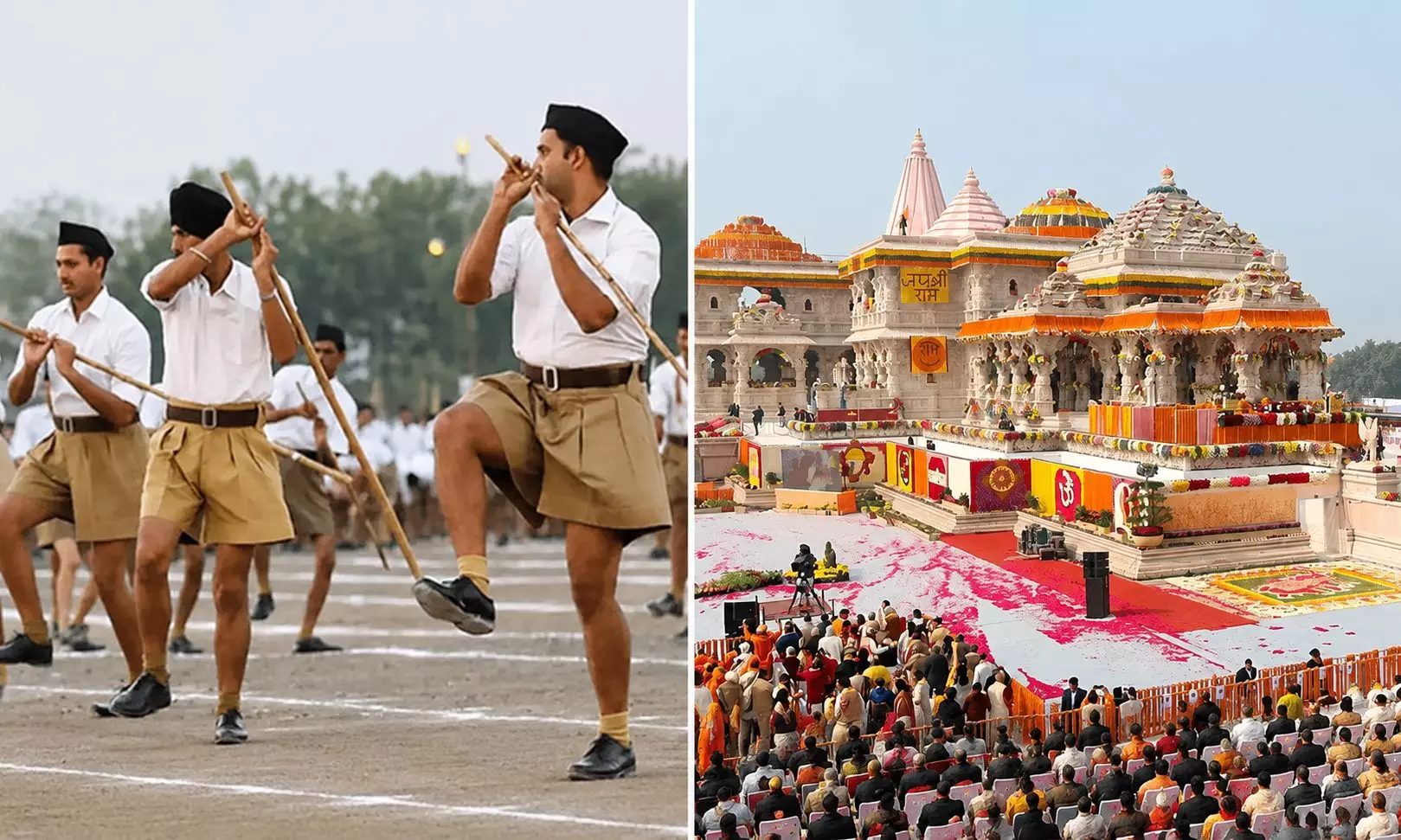
The Supreme Court, which had awarded the land where the Babri Masjid was demolished to the Hindu side, had directed the Uttar Pradesh government to allot five acres of land away from the then Babri Masjid site, which was later used to build the Ram Temple, to the Muslim community to build a mosque. Subsequently, the Indo-Islamic Cultural Foundation was formed to build the mosque and related facilities.
According to the first phase of the project, a large complex was planned to be built along with the mosque, including a 300-bed multi-specialty hospital and a library. However, the foundation chairman, Zafar Ahmed Farooqui, clarified that the project of that scale was abandoned due to the lack of sufficient funds. The community has not shown the expected interest in the project. Therefore, it has been decided to build a much smaller mosque than initially planned, Farooqui said. There is a perception that the community is unwilling to accept another mosque as a replacement for the original 16th century mosque, and they would not give up the emotional attachment to the demolished mosque.
The new project is expected to cost around Rs 3 crore to Rs 5 crore. But foundation officials say that even for this only Rs 1.5 crore has been received as donations so far.
The five-acre land allotted by the UP government for the project is in Dhannipur village in Ayodhya. This plot is located about 25 km from the site where the Babri Masjid stood.
Following decades of dispute about the ownership of the Babri mosque, and claims by the Hindu side that at the site there existed a Ram temple, the Supreme Court took up the matter after long delay and heard extensive arguments. In 2019, a five-judge Supreme Court bench headed by Chief Justice Ranjan Gogoi and comprising Justices S.A. Bobde, D.Y. Chandrachud, Ashok Bhushan and S. Abdul Nazeer delivered its verdict in the Babri Masjid case.
The verdict concluded in effect that there was no conclusive evidence of the physical existence of a Ram Temple at the site, but the belief of the Hindu community was of prime importance. And the court using its powers to settle a dispute amicably issued the order that the 2.7 acres of land where Babri stood should be handed over to a trust formed by the government for the construction of a Ram temple and that five acres of land in a suitable and prominent location in Ayodhya should be given for the construction of a mosque.